Why are people searching for Silo right now? Google Trends listed “silo” among active U.S. searches on August 15, 2026, after Apple TV+ released the seventh episode of the show’s third season on August 14 in the United States. The immediate reason is simple: a weekly episode has arrived, but the larger reason is that the series is built to make each new chapter feel like another piece of a much bigger puzzle.
Silo is Apple TV+’s science-fiction drama about a community living underground under strict rules and incomplete information. Its third season is airing weekly rather than all at once, which gives viewers time to compare theories, revisit earlier clues, and look up the show between episodes. That weekly rhythm helps explain why a title can spike in search even after it has been streaming for weeks.
What happened on August 14
Apple announced that season three would begin on July 3, 2026, with one new episode every Friday through September 4. Independent Apple TV coverage lists August 14 as the date for episode seven. For viewers in the United States, that episode’s arrival created a fresh, date-specific reason to search the title, episode information, and discussion around the series.
That does not mean every searcher is looking for the same thing. Some people are checking whether a new episode is available in their time zone. Others are catching up before watching. And some are trying to orient themselves in a story that deliberately withholds information. A trend label shows unusually elevated interest, not a single shared motivation or a precise count of viewers.
Apple describes the season’s starting point as Juliette Nichols surviving her forced “cleaning” while dealing with memory loss, as the silo itself faces the consequences of rebellion and a new threat. That official setup is enough to explain why viewers may seek a refresher without requiring an article to reveal episode-specific developments.
Why the weekly release matters
Streaming releases do not all produce the same kind of attention. When an entire season appears at once, search interest often concentrates around the premiere and then spreads as different viewers reach different episodes. A weekly release creates repeated shared moments. One chapter ends; viewers have several days to talk about its implications; then the next chapter restarts the conversation.
That cadence is especially useful for a mystery-driven show. Silo asks its audience to keep track of institutions, rules, competing accounts of the outside world, and the consequences of learning something that the wider community does not know. Search becomes part of the viewing experience: people look for a release date, a cast member, a previously mentioned detail, or confirmation that they understood a scene correctly.

The structure also makes a weekly episode more than a routine calendar event. A chapter can become the current point of entry for people who have seen social discussion, are returning after a break, or are deciding whether to start the season. That is why a search trend tied to a television title can reflect both dedicated viewers and newcomers at the same time.
The background: a story designed around limited knowledge
The premise of Silo is not merely that people live underground. Its tension comes from who gets to define the rules, who controls information, and what happens when an official explanation no longer satisfies the people living under it. Apple’s series page introduces engineer Juliette as someone who uncovers disturbing secrets after deaths inside the silo, establishing the show’s central interest in knowledge, trust, and consequence.
That premise is broadly accessible even for people who do not usually watch science fiction. The setting supplies the spectacle, but the questions are familiar: Which rules are necessary? Which rules protect an institution rather than its people? How do communities respond when information is scarce? The show uses a fictional underground society to make those questions concrete.
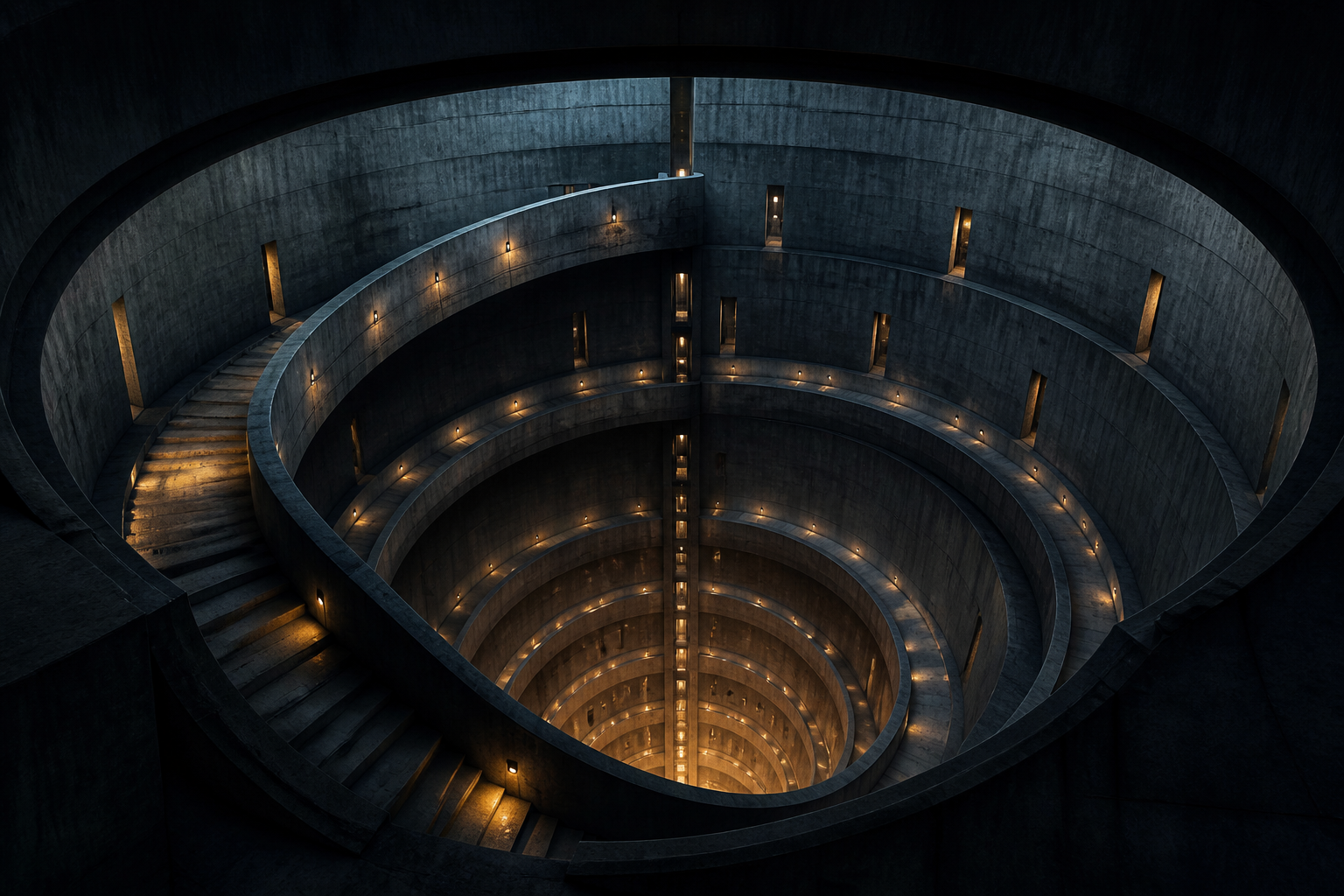
It is also worth separating the series from a real-world claim. The visual language of enclosed concrete spaces and warning systems can resemble disaster fiction, but Silo is a scripted Apple TV+ drama. Searches for the title are tied to entertainment interest, not evidence of a real underground facility or current public-safety event.
Why viewers keep looking for explanations
Many television searches are transactional: where to watch, what time an episode arrives, or whether a show has been renewed. Silo adds another layer because its storytelling turns background details into potential clues. A small rule, a remembered event, or a technical system may take on a different meaning later. Viewers naturally want to revisit the information they already have without necessarily finding spoilers.
That does not mean every online theory is reliable. Fan interpretation can be enjoyable, but it is not confirmation of future plot events. The most dependable guide to release timing remains Apple’s official schedule. For basic orientation, the official series page and Apple’s season announcement are stronger sources than a rumor thread, an uncredited recap, or a search-result preview.
There is a practical reason this distinction matters. A serialized mystery invites confident-sounding claims about what will happen next, particularly after a new episode. Readers who want to preserve surprises can use official episode listings and avoid treating speculation as production information. A theory may explain why people are talking, but it cannot establish what the show will reveal.
What happens next
Apple’s announced schedule runs through September 4, 2026, leaving three weekly episodes after the August 14 release. That gives the series more opportunities to reappear in search as each Friday release becomes a new conversation point. It also means that today’s spike should be read as a moment in an ongoing season, not as a one-day verdict on the show.
For anyone arriving through the trend, the useful takeaway is straightforward: Silo is trending because a new episode of its currently airing third season has landed and the series’ puzzle-box format encourages viewers to look for context. Google Trends reflects an increase in search interest; Apple’s release plan identifies the immediate trigger. The rest is the normal afterlife of a weekly mystery show: questions, recaps, and a wait for the next chapter.
Sources
- Google Trends Trending Now — active U.S. search-interest signal for “silo” in the past 24 hours.
- Apple TV+ season three announcement — official release cadence, season dates, and the season’s setup.
- Apple TV+ series page for Silo — official premise and series context.
- TechRadar’s Silo season three release guide — episode-seven date within the weekly schedule.
Last checked: August 15, 2026, 8:34 AM KST